Support Recovery at Home Without the Guesswork
Step-by-step guidance to help stroke and brain injury survivors improve communication, cognition, speech, and swallowing at home
You Want to Help—But Don’t Know What to Do
After a stroke or brain injury, families are often left feeling overwhelmed and unsure how to help at home.


You’re not alone—and you don’t have to figure it out by yourself.
You might be wondering:
“Am I doing the right things?”
“How do I actually help them improve?”
“What should we be working on each day?”


What You'll Find Here:
Clear Guidance
Step-by-step direction so you always know what to do next
At-Home Exercises
Practical activities to improve communication, cognition, and more
Caregiver Support
Tools to help you feel confident—not overwhelmed
Structured Plans
Simple routines that actually lead to progress over time
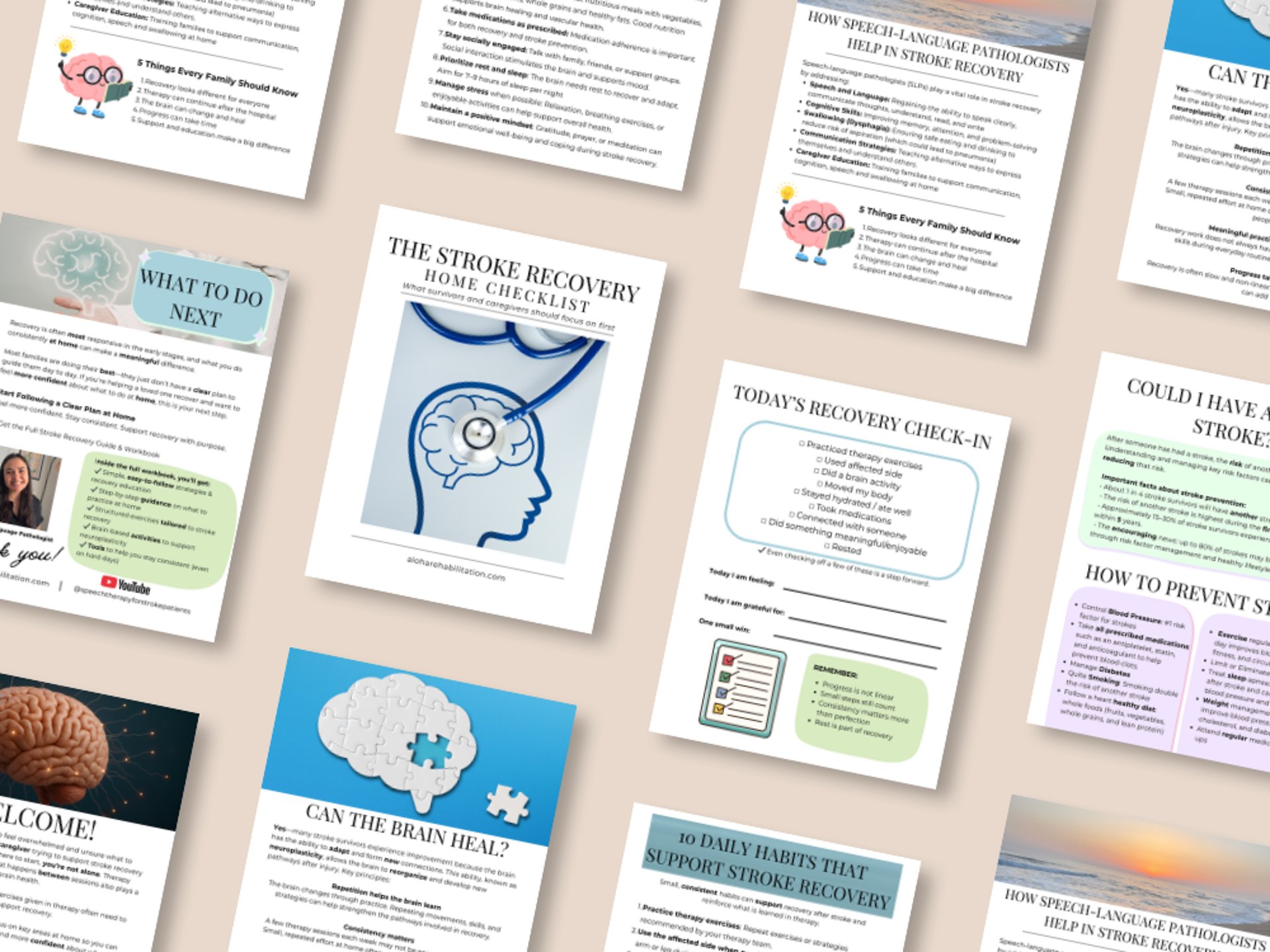
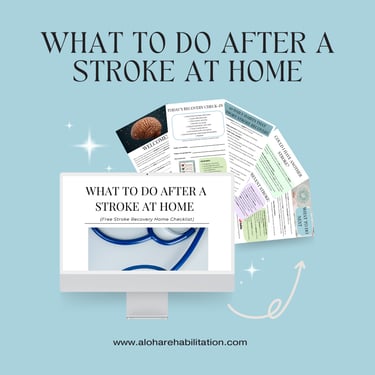
Free Guide: What to Do After a Stroke at Home
Includes:
10 Daily habits that can change your stroke recovery
Daily recovery checklist
How the brain heals
How to prevent another stroke
Where to start at home
What to do next
A Clear Plan for What to Do at Home
We provide simple, structured resources that take the guesswork out of recovery. All with easy-to-follow guidance you can implement in just minutes a day.
Free Resources
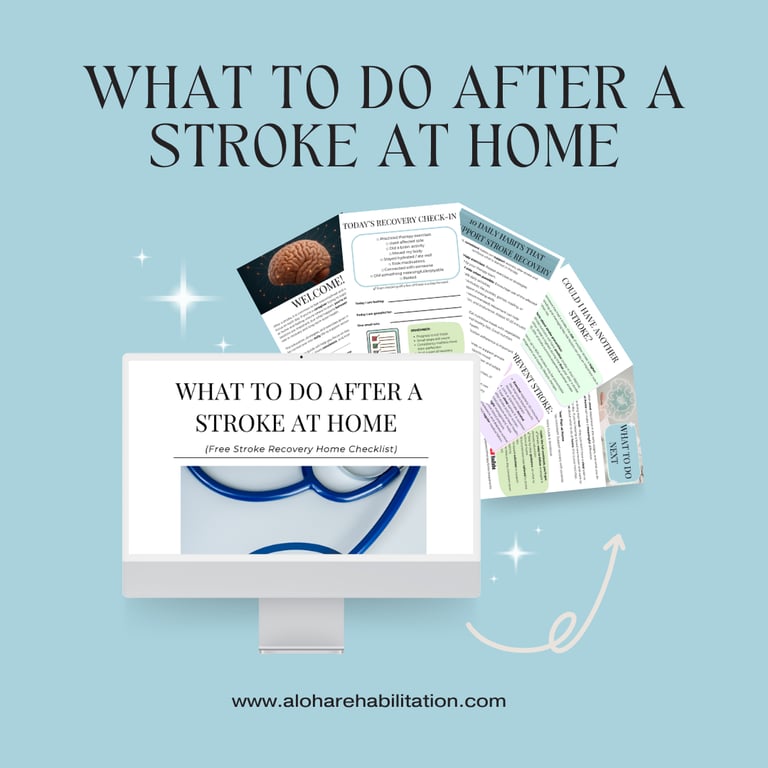
Freebies and tips to start recovery with confidence.
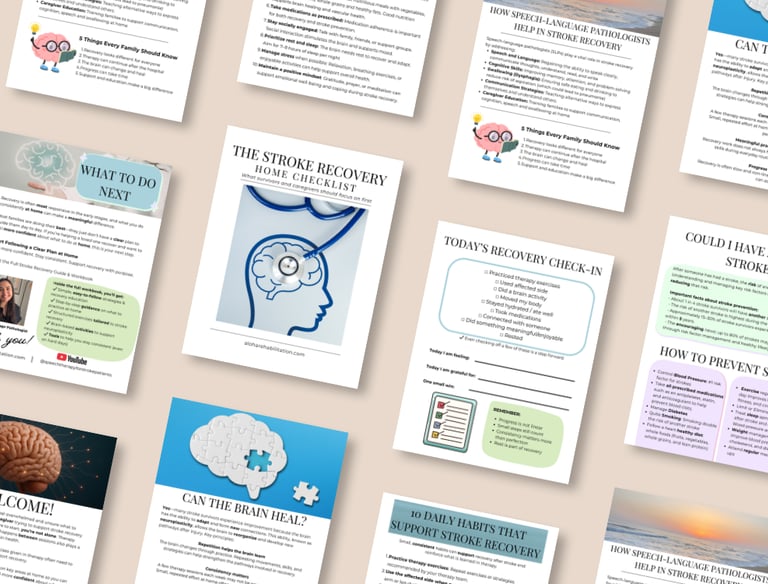


Digital Guides & Workbook
In-depth, easy-to-follow education designed for families.
Workbooks with daily routines, exercises, and tracking tools.
Free YouTube Follow-Along Exercises
Support Recovery in:
Swallowing
Chewing and swallowing food safely
Reducing risk of choking or food going “down the wrong way”
Strengthening mouth and throat muscles
Mealtime strategies and positioning
Communication
Understanding what others say
Expressing thoughts, needs, and ideas
Finding the right words
Having conversations with others
Reading and writing
Using tools or devices if talking is difficult
Cognition
Paying attention and staying focused
Remembering information
Solving problems
Planning and staying organized
Managing time and daily tasks
Thinking quickly and clearly
Speech
Speaking clearly so others understand (articulation)
Strength and coordination of speech muscles
Motor planning for speech (apraxia)
Slurred or slow speech (dysarthria)
The section for my paid guide, do just one product. that has a little bit of everything.
Include:
Name of program
Who it’s for
What it helps improve
Visual mockup (guide, workbook, etc.)
CTA: View Program
ACE your Recovery
Our Resources are:
Accessible
Download instantly. Free and affordable options available.
Clear
Simple, easy-to-understand explanations you can return to at any stage of recovery. Structured daily practice.
Empowering
We focus on what you can do. Because confidence grows when you have the right tools and knowledge.
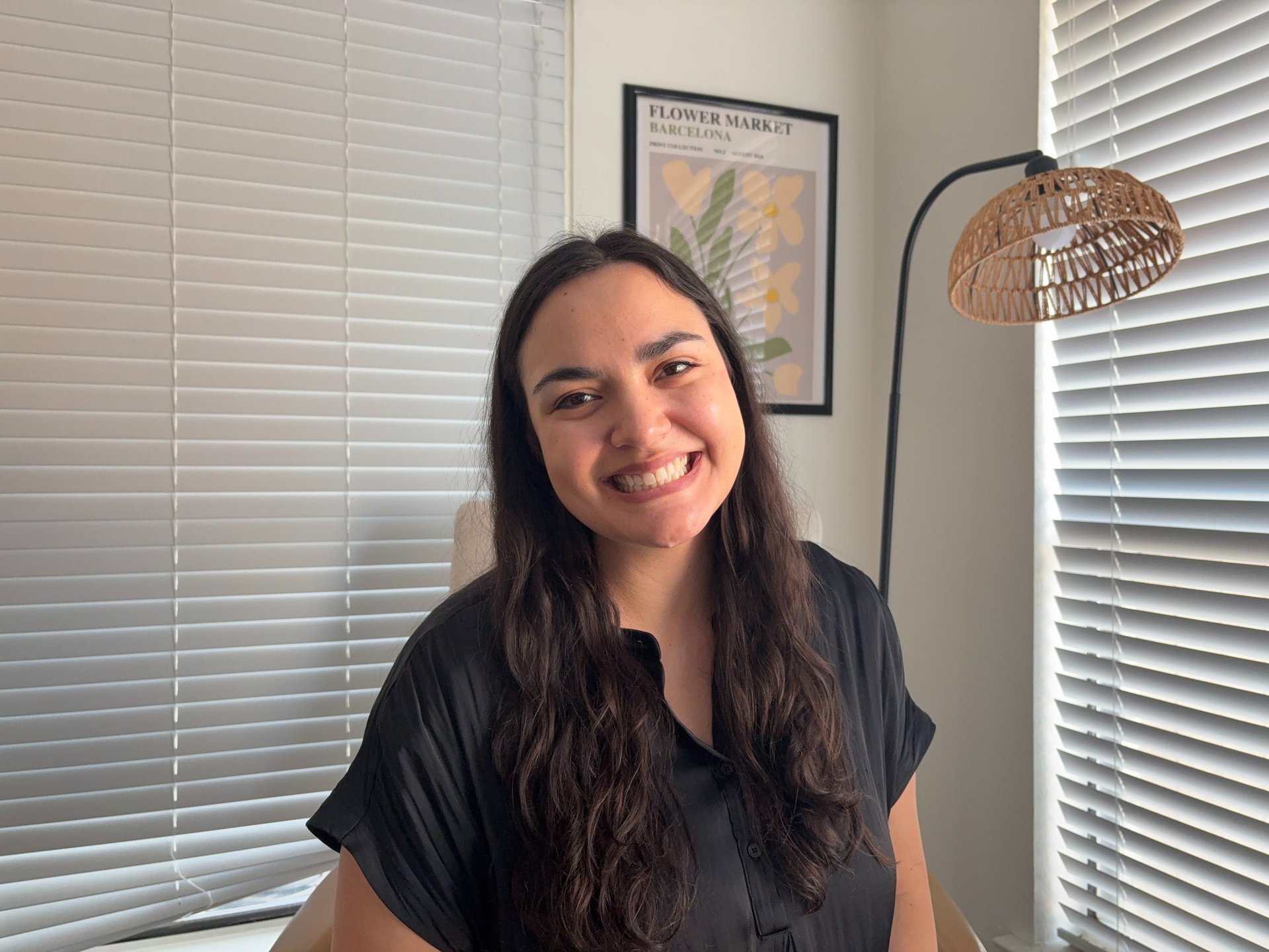
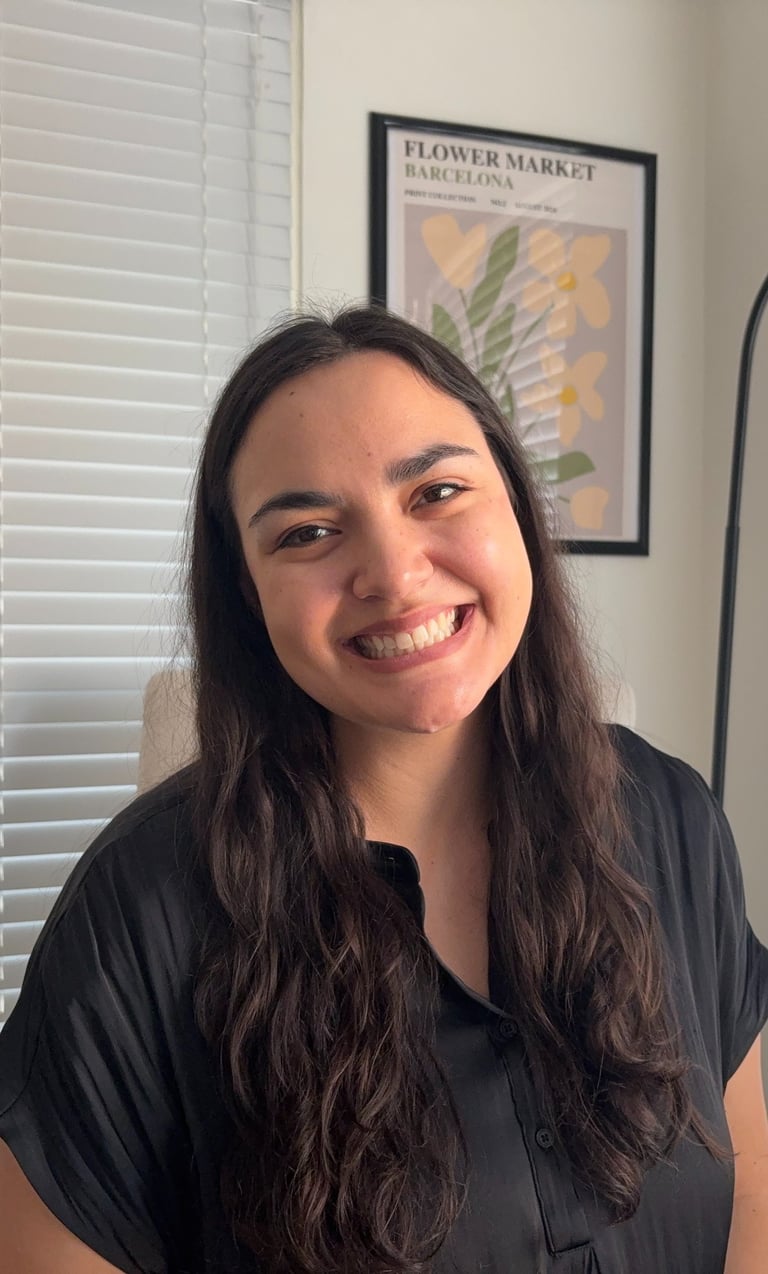
Hi, I'm Kailee, a Speech Language Pathologist passionate about helping families feel confident supporting recovery at home
Recovery doesn’t have to feel overwhelming


Here’s a simple way to get started:
Start with the most important skills
Follow guided daily exercises
Stay consistent
Track progress over time


Contact
Here to support your recovery journey
hello@aloharehabilitation.com
© 2026. All rights reserved.